
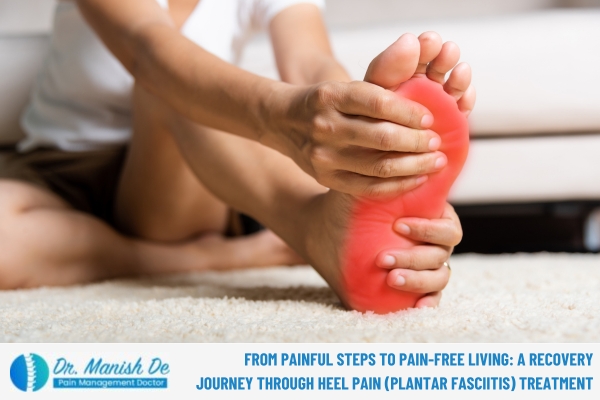
Introduction: When Every Morning Began with Pain
At 42, Mrs. Nandini Roy was balancing her professional responsibilities and family life with ease — until severe heel pain slowly began disrupting her everyday routine.
Every morning, the first few steps out of bed felt unbearable. Standing for long periods, walking to work, and even basic household activities became increasingly painful.
Initially, she ignored the discomfort, assuming it was temporary fatigue. But over time, the pain worsened and started affecting her confidence, sleep, and emotional well-being.
Simple joys like evening walks and family outings suddenly became stressful and exhausting.
Understanding Heel Pain (Plantar Fasciitis)
Concerned about the persistent pain, Nandini consulted Dr Manish De, specializing in Anesthesiology, Pain Medicine & Critical Care.
After detailed clinical evaluation, Dr. De diagnosed her with Plantar Fasciitis — one of the most common causes of chronic heel pain.
What is Plantar Fasciitis?
Plantar Fasciitis occurs when the thick band of tissue connecting the heel bone to the toes becomes inflamed or irritated. This tissue, called the plantar fascia, supports the foot arch and absorbs pressure while walking.
Common symptoms of plantar fasciitis include:
- Sharp heel pain during the first morning steps
- Pain after prolonged standing or walking
- Heel tenderness and stiffness
- Difficulty walking comfortably
- Increased pain after physical activity
Without proper treatment, chronic heel pain can significantly affect mobility, posture, and overall quality of life.
Emotional and Physical Challenges of Chronic Heel Pain
For Nandini, heel pain became more than just a physical problem.
She struggled with:
- Difficulty performing daily activities
- Emotional frustration and irritability
- Reduced mobility and independence
- Sleep disturbances caused by discomfort
- Fear that the condition would worsen permanently
Like many chronic pain patients, she needed both effective pain relief and emotional reassurance.
Expert Pain Management Care with Dr Manish De
During consultation, Dr Manish De carefully explained the causes of plantar fasciitis, treatment options, and recovery strategies in simple and reassuring language.
His patient-focused approach immediately helped Nandini feel more confident and hopeful about recovery.
Instead of recommending immediate surgery, Dr. De focused on a personalized, minimally invasive pain management plan aimed at long-term healing and mobility improvement.
Advanced Treatment Approach for Plantar Fasciitis
Modern pain medicine offers highly effective solutions for chronic heel pain management and rehabilitation.
The treatment plan included:
- Detailed pain and mobility assessment
- Customized pain management therapy
- Foot stretching and strengthening exercises
- Lifestyle and footwear modification guidance
- Anti-inflammatory pain management techniques
- Rehabilitation and preventive care support
The goal was not only to reduce pain but also to restore mobility, improve posture, and prevent future recurrence.
Why Early Heel Pain Treatment Matters
Many people ignore heel pain until it severely affects daily activities. However, delayed treatment may worsen inflammation and prolong recovery.
Early pain management helps:
- Reduce inflammation and chronic pain
- Improve walking comfort and mobility
- Prevent long-term foot complications
- Restore physical activity faster
- Improve emotional well-being and quality of life
Modern pain management care can help patients recover effectively without unnecessary suffering.
Recovery Journey: Walking Comfortably Again
Nandini’s recovery journey required consistency, rehabilitation, and lifestyle adjustments.
Important milestones during recovery included:
- Significant reduction in morning heel pain
- Improved flexibility and walking comfort
- Better posture and physical movement
- Return to work and daily activities confidently
- Improved emotional confidence and positivity
With regular follow-up care and guided rehabilitation, she gradually regained both physical comfort and emotional peace of mind.
Final Outcome: Living an Active and Pain-Free Life Again
Today, Nandini Roy is enjoying a healthier, more active, and pain-free lifestyle after successful plantar fasciitis treatment.
She can now walk comfortably, participate in family activities, and manage her daily routine without fear of constant heel pain. Her journey reflects how expert pain management care, timely diagnosis, and emotional support can transform a patient’s quality of life.
Frequently Asked Questions (FAQ): Heel Pain (Plantar Fasciitis)
What is plantar fasciitis?
Plantar Fasciitis is inflammation of the plantar fascia tissue that supports the foot arch and heel.
What causes heel pain in plantar fasciitis?
Overuse, prolonged standing, improper footwear, obesity, and foot strain can contribute to plantar fascia inflammation.
Is plantar fasciitis treatable without surgery?
Yes. Most patients improve with pain management therapy, stretching exercises, supportive footwear, and rehabilitation care.
When should I consult a pain specialist for heel pain?
You should seek medical evaluation if heel pain persists for weeks or affects walking and daily activities.
Can plantar fasciitis return after treatment?
Proper footwear, stretching exercises, and preventive lifestyle changes can help reduce recurrence risk.
Conclusion: Advanced Pain Management Can Restore Comfort and Confidence
Chronic heel pain can affect mobility, emotional well-being, and everyday confidence, but modern pain medicine now offers highly effective and minimally invasive treatment solutions.
Under the expert supervision of Dr Manish De, patients receive compassionate and personalized care focused on pain relief, mobility restoration, rehabilitation, and long-term recovery.
Nandini’s story is a powerful reminder that early diagnosis, proper pain management, and lifestyle support can help patients overcome plantar fasciitis and return to a healthier, more active, and pain-free life.