
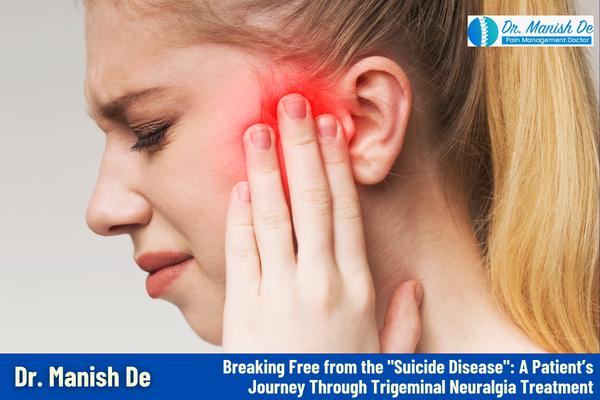
When a Smile Became Painful
At 54, Mrs. Nandita Chatterjee had always enjoyed life’s simple pleasures—sharing meals with her family, talking with friends, and laughing with her grandchildren.
Then, one morning, everything changed.
While brushing her teeth, she experienced a sudden, sharp, electric shock-like pain across the right side of her face.
The pain lasted only a few seconds, but it was so intense that she froze in fear.
Over the next few weeks, the attacks became more frequent.
Even simple daily activities such as eating, speaking, smiling, washing her face, or feeling a gentle breeze triggered unbearable pain.
The episodes became so severe that she avoided social interactions and lived in constant fear of the next attack.
Searching for expert pain relief, she consulted Dr. Manish De, a specialist in Anesthesiology, Pain Medicine & Critical Care, renowned for treating complex chronic pain disorders with advanced interventional pain management techniques.
That consultation became the first step toward reclaiming her life.
Understanding Trigeminal Neuralgia
After a detailed neurological evaluation and pain assessment, Dr. De explained her condition.
What is Trigeminal Neuralgia?
Trigeminal Neuralgia is a chronic nerve pain disorder affecting the trigeminal nerve, which carries sensation from the face to the brain.
The condition causes sudden, severe, stabbing or electric shock-like facial pain that can last from a few seconds to several minutes.
Because of its extreme intensity, Trigeminal Neuralgia is often referred to as one of the most painful medical conditions and is sometimes called the “Suicide Disease” due to the profound impact it can have on quality of life. Fortunately, effective treatment options are available, and many patients achieve significant pain relief.
Common Symptoms of Trigeminal Neuralgia
Symptoms may include:
- Sudden electric shock-like facial pain
- Sharp stabbing pain on one side of the face
- Pain triggered by touching the face
- Pain while chewing or speaking
- Pain during brushing teeth
- Episodes lasting seconds to minutes
- Recurrent attacks throughout the day
- Pain around the jaw, cheek, lips, gums, or forehead
The pain usually affects one side of the face and may become more frequent over time if left untreated.
What Can Trigger Trigeminal Neuralgia?
Pain episodes may be triggered by simple everyday activities, including:
- Brushing teeth
- Eating or chewing
- Speaking
- Smiling
- Washing the face
- Applying makeup
- Shaving
- Exposure to cold wind
- Light facial touch
Understanding these triggers helps patients manage symptoms while receiving appropriate treatment.
The Emotional Burden of Chronic Facial Pain
For Nandita, the condition affected much more than her physical health.
She developed:
- Anxiety before meals
- Fear of talking
- Sleep disturbances
- Emotional exhaustion
- Social withdrawal
- Reduced quality of life
Like many patients living with chronic neuropathic pain, she felt isolated and misunderstood.
Dr. De reassured her that Trigeminal Neuralgia is a recognized medical condition and that modern pain management offers effective treatment options tailored to each patient’s needs.
Expert Pain Management with Dr. Manish De
Dr. De believes that every patient deserves personalized pain management focused on restoring function and improving quality of life.
His comprehensive approach included:
- Detailed pain assessment
- Neurological evaluation
- Accurate diagnosis
- Personalized treatment planning
- Medication optimization
- Image-guided interventional pain procedures when appropriate
- Long-term follow-up
- Lifestyle counseling
Every treatment plan was designed to provide effective pain relief while minimizing disruption to daily life.
Personalized Treatment Journey
Managing Trigeminal Neuralgia often requires a combination of medical therapy and advanced pain interventions.
Nandita’s Treatment Plan Included:
- Comprehensive clinical evaluation
- Neurological assessment
- Imaging studies when indicated
- Individualized medication management
- Interventional pain procedures where appropriate
- Trigger identification
- Lifestyle modification
- Regular follow-up consultations
The primary objective was to reduce pain episodes, restore normal daily activities, and improve overall quality of life.
Why Early Diagnosis Matters
Many patients initially mistake Trigeminal Neuralgia for dental problems or sinus pain.
Early specialist consultation offers several important benefits.
Benefits of Early Treatment
- Faster pain control
- Reduced frequency of attacks
- Better quality of life
- Prevention of unnecessary dental procedures
- Personalized long-term pain management
- Improved emotional well-being
Seeking timely evaluation from a pain specialist can significantly improve outcomes.
Recovery Journey: Living Without Fear Again
Following treatment, Nandita gradually noticed a remarkable improvement.
The painful attacks became less frequent.
Simple pleasures slowly returned.
She could smile without fear.
She enjoyed family dinners again.
Conversations no longer filled her with anxiety.
For the first time in months, she slept peacefully through the night.
Every follow-up visit reinforced her confidence that effective pain control was possible.
What once dominated her life gradually became manageable with expert medical care and ongoing support.
Looking Ahead with Confidence
Today, Nandita enjoys a much better quality of life.
She remains committed to regular follow-up appointments and follows her personalized treatment plan carefully.
Her story reminds us that no one should silently endure severe facial pain.
With timely diagnosis, advanced pain management, and compassionate care, Trigeminal Neuralgia can often be effectively controlled, allowing patients to return to their normal routines with renewed confidence.
Under the supervision of Dr. Manish De, what began as unbearable facial pain became a journey toward comfort, independence, and hope.
Frequently Asked Questions (FAQs)
What is Trigeminal Neuralgia?
Trigeminal Neuralgia is a chronic nerve disorder that causes sudden, severe, electric shock-like facial pain due to irritation of the trigeminal nerve.
What are the common symptoms?
Symptoms include sudden facial pain, stabbing or burning sensations, pain while eating, brushing teeth, speaking, or touching the face.
What causes Trigeminal Neuralgia?
It may result from compression of the trigeminal nerve by a blood vessel, age-related changes, neurological conditions, or, in some cases, no clear cause is identified.
How is Trigeminal Neuralgia diagnosed?
Diagnosis is based on medical history, neurological examination, symptom pattern, and imaging studies such as MRI when required.
Can Trigeminal Neuralgia be treated?
Yes. Treatment options include medications, minimally invasive interventional pain procedures, and, in selected cases, surgery, depending on the individual’s condition.
When should I consult a pain specialist?
If you experience recurrent severe facial pain, especially electric shock-like pain triggered by daily activities, seek evaluation from a pain specialist as early diagnosis can improve symptom control.
Conclusion: Every Smile Deserves to Be Pain-Free
Living with Trigeminal Neuralgia can be physically exhausting and emotionally overwhelming, but modern pain medicine offers hope through accurate diagnosis and advanced treatment.
Under the expert supervision of Dr. Manish De, Specialist in Anesthesiology, Pain Medicine & Critical Care, patients receive comprehensive, personalized pain management focused on relieving symptoms, improving daily function, and restoring quality of life.
Nandita’s journey is a reminder that severe facial pain should never be ignored. With expert care, individualized treatment, and continued support, patients with Trigeminal Neuralgia can regain control of their lives and look toward the future with confidence and optimism.